CCTV9英语新闻:乌克兰有全国统一的谈判以结束危机
(单词翻译:单击)
Ukraine's acting1 president Oleksandr Tuchynov has lashed2 out at Russia and separatist groups in the East of Ukraine. He spoke3 at the start of a roundtable dialogue as part of an initiative of the organization for security and cooperation in Europe. The roundtable had also discussed preparation for the upcoming presidential vote in the country scheduled for May 25.
The OSCE is hoping that this is the first step in diffusing4 tensions in Ukraine. A roundtable-format, due
 brokering5 a dialogue in Kiev, Ukraine." width="500" style="margin: 0px; padding: 0px; border: 0px none; color: rgb(68, 68, 68); font-family: Arial; text-align: center; background-color: rgb(241, 241, 241);" />
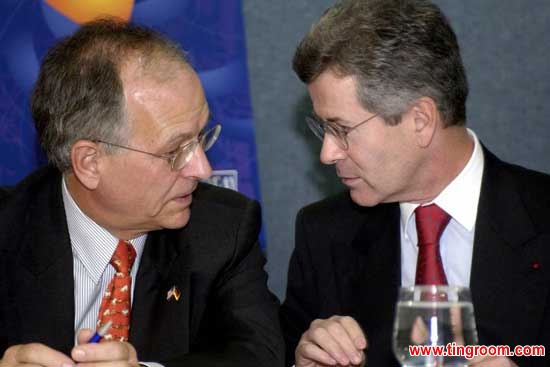
Wolfgang Ischinger, seen here with French ambassador to the united States Jean David Levitte, is brokering a dialogue in Kiev, Ukraine.
to be copied in a number of key cities, including in the east and south. The Kiev roundtable is notable for the participants it’s drawn6 in: the current leadership, two former presidents -- one from the East and one from the West, the presidential candidates, representatives from the country’s various regions, and MPs from the different political parties. But also notable is who is missing: representatives from the eastern separatists groups that have a declared independence. The acting president, Oleksandr Turchynov, and Prime Minister Arseniy Yatsentuk saying in their opening comments, that they want to hear from people in East, but through words not guns. Kiev insists it won’t speak to quote "terrorists, which is how it views those groups. And it’s a position essentially7 backed by Europe. German Chancellor8 Angela Merkel saying on Wednesday that those who use violence can’t possibly come to the negotiating table. Critics say it can hardly be a roundtable without them. But, the OSCE hopes these discussions can serve as a catalyst9 for addressing some of the key issues, like decentralization and language issues which initially10 sparked tensions. For its part, the government in Kiev appears keen to talk, particularly since national elections are coming up, and also because of the increasing lose of lives. But officials here insist that they - and not the OSCE-should ultimately be at the forefront of any national reconciliation11 and negotiations12.


