2007年VOA标准英语-War Crimes Tribunal To Reconvene on Case Agains
搜索关注在线英语听力室公众号:tingroom,领取免费英语资料大礼包。
(单词翻译)
By Nina Maria Potts
Brussels
21 June 2007
The first international trial of an African leader is set to reconvene June 25th, despite a faltering1 start after the defendant2, former Liberian President Charles Taylor, refused to show up in court.
Undeterred, prosecutors4 at the U.N.'s special tribunal for Sierra Leone are preparing to call more than a hundred witnesses to its temporary base in the Hague. Some are expected to testify anonymously5, for fear of retribution. Nina-Maria Potts reports.
The face of a warlord, now fallen.
Former Liberian President Charles Taylor had escaped prosecution6 for years. Now he is in The Hague, transferred there from Sierra Leone, amid fears a trial in West Africa would destabilize the region.
He stands accused of horrific crimes, linked to his backing of Sierra Leone rebels during more than a decade of violent conflict from 1991 to 2002
He is charged with 11 counts of war crimes and has pleaded not guilty to accusations7 of murder, rape8, terrorism and other atrocities9.
Prosecutors say Taylor provided weapons and ammunition10 to rebels in return for diamonds plundered11 from Sierra Leone's mines.
Still, Taylor is defiant12, facing down international justice in a letter, delivered to the court by his now ex-lawyer, Kharim Khan. "Mr. Taylor states: I am driven to the conclusion I will not receive a fair trial before the Special Court at this point. It is therefore with great regret that I must decline to attend hearings in this case until adequate time and facilities provided to my defense13 team, and until my other long-standing and reasonable complaints are dealt with. It follows that I must terminate instructions to my legal representative in this matter. "
International justice brings international problems, such as transferring an entire legal process abroad.
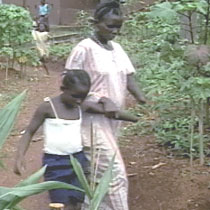 |
| Amputee victims |
There are political dilemmas14 too. Particularly for Washington. It played a key role in Taylor's transfer to The Hague by pressing Nigeria to refuse to give him asylum15. But the Bush administration refuses to recognize a permanent international court.
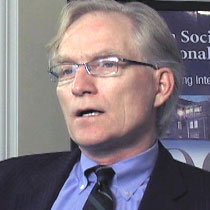 |
| David Crane |
Crane says even though the U.S. is reluctant to give up its sovereignty to an international body, men like Taylor can no longer be immune to international justice. "It's the beginning of the beginning of the end of leaders who cynically17 kill their own citizens."
In The Hague, prosecutors are determined18 to avoid a public relations disaster like the Slobodan Milosevic case.
The former Yugoslav leader, whose belligerent19 courtroom manner enraged20 judges, died before his lengthy21 trial at the Hague ever concluded.
If Taylor hopes to thwart22 the legal process, chief prosecutor Stephen Rapp, warns him to think again. "He is, at the end of the day, hurting only himself, his ability to instruct his counsel and to effectively represent himself by absenting himself from the courtroom. But it does not, in my view affect our ability to proceed, to present the evidence against him. It's not his justice system, it's the justice system of the people of Sierra Leone."
Even as witnesses prepare to take the stand, it could be two years before Charles Taylor's trial will be over.
Back home, the victims of war have no choice but to wait.
 收听单词发音


